Rosaleen Watercolor Flower Clipart Review
As a designer who has spent years translating digital art into tangible thread, I approach every new asset with a critical eye. When I first encountered Rosaleen Watercolor Flower Clipart, my immediate reaction was one of cautious optimism. The soft, bleeding edges and delicate gradients inherent in the watercolor style are visually stunning on a screen, but they present a unique challenge when converted into a machine embroidery design. My goal here is to walk you through exactly how this specific clipart translates from a digital file to a stitched reality, helping you decide if it belongs in your next collection or client project.
The Visual Mood and Design Personality
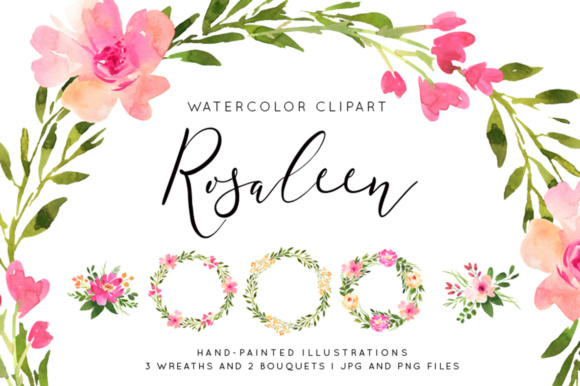
The first thing that strikes you about Rosaleen Watercolor Flower Clipart is its ethereal quality. Unlike bold, vector-based graphics that rely on hard lines and solid blocks of color, this design mimics the organic flow of paint on paper. For an embroidery project, this suggests a need for sophisticated stitch techniques. You cannot simply slap a standard fill stitch over these shapes without losing the essence of the artwork. To capture that "watercolor" feel, you would likely need to manipulate your stitch density heavily, perhaps using open fills or specialized running stitches to mimic transparency.
This design screams "boutique." It feels perfect for a high-end handmade product line where the aesthetic is soft, romantic, and slightly whimsical. If you are an Etsy seller focusing on nursery decor or wedding gifts, the visual personality of Rosaleen Watercolor Flower Clipart aligns perfectly with those markets. However, it lacks the punch required for sportswear or industrial branding. This is not a logo for a gym; it is a decorative element meant to evoke emotion and texture.
A Real-World Test: The Custom Tote Bag Scenario
Let's imagine a practical scenario. I am preparing a custom embroidered tote bag for a local flower shop owner who wants to sell them at a craft fair. She wants something that looks artistic but durable. I load the Rosaleen Watercolor Flower Clipart into my digitizing software. Immediately, I see the potential issue: the subtle color transitions.
In a real-life application like a canvas tote bag, the fabric texture can sometimes eat up fine details. If I use too many colors to try and replicate the gradient, the stitching time increases, and the risk of thread breakage goes up. Instead, I decide to simplify. I select three main thread colors—a deep pink, a soft lavender, and a pale yellow—and arrange them so they overlap slightly. By using a lower fill stitch density, I allow the canvas weave to show through, creating a natural blending effect that mimics the original watercolor look without requiring hundreds of color changes.
When the customer sees the finished product, the reaction is positive because the embroidery doesn't look like a flat sticker; it looks like art. The Rosaleen Watercolor Flower Clipart elevates a simple cotton bag into a premium gift item. This demonstrates that while the source file is a Freebie, the value lies in how skillfully you adapt it for the machine.
Navigating Fabric and Hoop Challenges
Not every surface is suitable for this type of delicate design. If you plan to use Rosaleen Watercolor Flower Clipart on a dark sweatshirt, you will face significant hurdles. The translucent nature of the design means it relies on the background to define its shape. On black fabric, the light colors might get lost unless you add a heavy underlay or a backing layer, which defeats the purpose of the airy aesthetic.
I strongly advise against using this design on thin or stretchy fabrics like jersey knit without a robust stabilizer. The intricate details could cause the fabric to pucker, ruining the soft flow of the petals. Similarly, curved surfaces like caps are risky. The tension required to embroider a cap often distorts the gentle curves of the flowers. Stick to flat, stable surfaces like pillow covers, aprons, tea towels, or structured tote bags where the design can breathe.
Also, consider the hoop size. While the clipart might look small on your monitor, the digitized version needs space to render the overlapping petals correctly. If you force it into a tiny 4x4 inch hoop, the stitch density might become too high, leading to a stiff, cardboard-like patch rather than a soft floral motif. Always check the actual dimensions before committing to a project.
Practical Notes for the Professional Designer
If you are considering Rosaleen Watercolor Flower Clipart for your business, there are several steps you must take to ensure professional results:
- Test on Scrap Fabric First: Never skip this step. Stitch out the design on the exact fabric you intend to use. Check if the thread colors blend as expected or if they create muddy patches.
- Review Stitch Density: High density is the enemy of the watercolor look. Reduce the density to let the fabric show through, creating that painted illusion.
- Check Licensing: Since this falls under the category of Freebies, verify the license terms. Can you sell items made with this design? Are there restrictions on the number of items you can produce? Do not assume free means commercial-ready.
- Compare Light and Dark Backgrounds: Create mockups of the design on both white and dark fabrics. You may find that the design only works well on light backgrounds, limiting your product range.
- Inspect Small Details: Zoom in on the digitized file. Are the petals defined enough to hold their shape, or do they blur together? You may need to manually adjust the pull compensation.
Impact on Brand and Customer Trust
Using a design like Rosaleen Watercolor Flower Clipart affects how customers perceive your brand. It signals attention to detail and an appreciation for softer aesthetics. In a crowded market of generic, blocky embroidery, a well-executed watercolor piece stands out. It adds perceived value to a personalized gift or a small shop product.
However, if the execution is poor—if the threads are tangled or the colors don't blend—the result looks amateurish. Customers trust handmade goods because they expect craftsmanship. If you promise a delicate, artistic look and deliver a messy, dense blob of thread, you lose that trust. Therefore, mastering the translation of this clipart into a digital embroidery file is crucial for maintaining your reputation.
Final Verdict for Craft Entrepreneurs
Rosaleen Watercolor Flower Clipart is a beautiful asset that holds immense potential for creative entrepreneurs willing to put in the extra effort. It is not a "load and go" design; it requires thoughtful digitizing and careful material selection. If you are looking to expand your holiday embroidery collection, create unique baby embroidery items, or offer exclusive custom apparel for boutiques, this design can be a standout addition.
Just remember to respect the limitations of the medium. Use proper stabilizers, choose the right fabrics, and always test your settings. When done correctly, this clipart transforms ordinary textiles into cherished keepsakes, proving that even a Freebie can become the centerpiece of a profitable and beautiful finished product.