Watercolor Cactus Clipart: A Designer's Review
As a designer who has spent years translating digital concepts into tangible stitched goods, I approach every new asset with a critical eye. When I first opened the file for Watercolor Cactus Clipart, my immediate reaction was one of aesthetic appreciation followed by a practical assessment of its viability for commercial embroidery. This piece sits comfortably within the Illustrations category, offering a soft, organic vibe that contrasts sharply with the rigid geometry often found in standard vector art. However, before I commit this design to a production run or recommend it to fellow Etsy sellers and boutique owners, I need to understand how the watercolor aesthetic translates when rendered in thread.
The Visual Mood and Design Personality
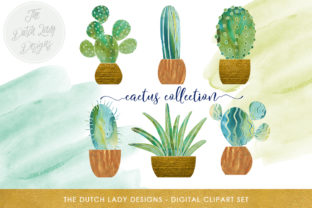
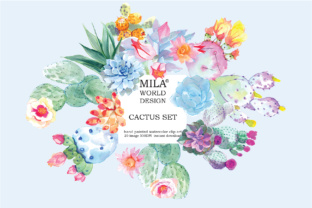
The first impression of Watercolor Cactus Clipart is undeniably gentle. The shapes are fluid, mimicking the bleed of paint on paper rather than the sharp edges of a traditional outline. For a craft business looking to soften its brand identity, this design asset offers a distinct advantage. It feels less industrial and more handmade, even when produced on a machine. The layout suggests a relaxed, bohemian energy, making it an ideal candidate for nursery decor, spring collections, or personalized gifts intended for nature lovers.
However, the challenge lies in the translation from pixel to stitch. Watercolor effects rely heavily on gradients and transparency. In embroidery, we do not have true transparency; we have layers of thread. To achieve this look, the machine embroidery design must utilize clever layering of fill stitches and potentially some satin stitching to define the edges without losing the soft interior feel. If the digitization is poor, the result can look muddy or overly dense. As a reviewer, I am looking for a balance where the "paint" effect is suggested through color blending rather than heavy thread coverage.
Real-World Application: The Custom Tote Bag Scenario
Let’s visualize a real-life scenario. Imagine you are preparing a line of custom tote bags for a local craft fair. You want something that stands out against the sea of solid-color canvas. You decide to use Watercolor Cactus Clipart as the central motif on a natural, unbleached cotton bag. This is a classic use case for tote bag design.
In this context, the design shines. The earthy tones of the cactus blend beautifully with the raw fabric texture of the canvas. Because the bag is a flat surface, the hoop size requirements are manageable, allowing for a larger scale application that preserves the delicate details of the watercolor wash. Customers browsing your booth would likely be drawn to the whimsical, artistic quality of the piece. It elevates a simple utility item into a fashion statement.
Conversely, consider using this same design on a structured baseball cap. Here, the challenges multiply. The curved surface of a cap distorts straight lines, but it also complicates soft, flowing shapes like those in Watercolor Cactus Clipart. The tension required to hoop a cap can cause the design to pucker if the stitch density is too high. Furthermore, the subtle gradations of the watercolor style might get lost on the small, curved field of a hat. For apparel decorators, I would advise reserving this specific clipart for flatter surfaces like sweatshirts, aprons, or pillow covers where the design can breathe.
Navigating Fabric Textures and Limitations
One of the most critical aspects of evaluating an embroidery file is understanding its limitations regarding fabric choice. Watercolor Cactus Clipart works best on medium-weight fabrics with a tight weave. On thin or stretchy materials, such as jersey knit t-shirts, the intricate details of the watercolor edges may distort during the washing process. The elasticity of the fabric can pull the threads, breaking the illusion of a soft paint stroke.
If you are planning to use this design for custom apparel made from dark fabrics, you must consider the backing. A dark background requires a significantly higher amount of underlay to prevent the fabric color from bleeding through the lighter thread colors used in the watercolor effect. Without proper stabilization, the final product could look dull or undefined. Additionally, textured fabrics like linen or heavy denim add their own visual noise. While this can complement the rustic feel of a cactus, it risks obscuring the finer details of the illustration if the thread colors are not chosen with high contrast in mind.
Practical Notes for the Professional Maker
For any Etsy seller or small shop owner considering this asset, here are my essential professional notes before you hit the "stitch" button:
- Test on Scrap Fabric First: Never skip the test run. Stitch the Watercolor Cactus Clipart on a scrap of the exact fabric you intend to sell. Check for puckering, especially around the softer edges of the cactus pads.
- Review Stitch Density: Inspect the back of the test stitch-out. If the bobbin thread is visible or the front looks like a solid block of color, the density is too high. You want to see the individual strands creating the gradient effect.
- Confirm Hoop Size: Ensure your machine can accommodate the dimensions of the design. If you are trying to force a large illustration into a small 4x4 hoop, you will lose the integrity of the shape.
- Check Licensing: Before selling finished products, verify the license terms. Some digital embroidery files allow for personal use only, while others permit commercial sales of finished goods but prohibit reselling the file itself.
- Mockup Strategy: Create printable mockups in both black and white and full color to see how the design pops against different backgrounds. This helps in setting realistic customer expectations.
Impact on Brand Value and Customer Trust
Using high-quality assets like Watercolor Cactus Clipart directly influences the perceived value of your handmade product. When a customer receives a personalized gift featuring a well-executed, artistic design, they associate that quality with your brand. The soft, painterly style suggests care and creativity, distinguishing your work from mass-produced, generic embroidery.
However, consistency is key. If you market yourself as a provider of premium commercial embroidery, every stitch must count. A poorly executed watercolor effect can make a business look amateurish. Therefore, take the time to adjust the thread colors to match your specific palette. Do not rely solely on the default settings provided in the file. Experiment with variegated threads or slightly mismatched shades to enhance the hand-painted illusion.
Final Verdict for the Creative Entrepreneur
Watercolor Cactus Clipart is a versatile addition to a designer's library, provided it is used with intention. It is not a "one-size-fits-all" solution. It excels on flat, stable fabrics where its organic shapes can be appreciated. It struggles on highly textured, stretchy, or curved surfaces without significant adjustments to the digitizing parameters.
For the craft business owner looking to expand their catalog with unique, artistic pieces, this design offers a fresh alternative to the typical bold logos and text-heavy designs. Whether you are creating baby embroidery items, holiday gifts, or boutique branding merchandise, the key is preparation. Test thoroughly, choose the right stabilizer, and respect the nuances of the watercolor style. When done correctly, this embroidery project can become a signature piece that drives customer engagement and builds lasting trust in your handmade brand.