Watercolor Cartoon Thinking Before Writing Review
As a designer who has spent years translating digital files into tangible thread, I approach every new machine embroidery design with a mix of excitement and skepticism. The gap between a vibrant screen preview and the reality of stitched fabric is where many projects fail. When I first opened the file for Watercolor Cartoon Thinking Before Writing, my immediate reaction was curiosity. The concept sits at an interesting intersection of whimsy and mindfulness, promising a visual that could resonate deeply with today's creative market. But does it hold up under the scrutiny of real-world stitching?
The Visual Mood and First Impressions
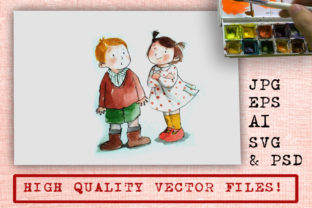
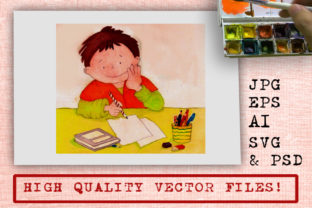
The initial impression of Watercolor Cartoon Thinking Before Writing is one of soft, organic charm. Unlike rigid vector art that often looks stiff when stitched, this illustration leans heavily into the aesthetic of watercolor washes. In the context of Illustrations meant for embroidery, this style presents a unique challenge: how to replicate fluid paint gradients using linear threads? The design manages this through clever layering and color placement, creating a mood that feels contemplative yet playful.
Visually, the layout is balanced without being symmetrical, which gives it a handmade feel even before a single stitch is placed. The "thinking" character depicted in the cartoon style has a distinct personality that suggests pause and reflection. For a craft business owner or an Etsy seller looking to add depth to their catalog, this kind of visual storytelling is gold. It moves beyond generic patterns and speaks directly to the customer's desire for meaningful, personalized items. However, the success of this design relies entirely on how well the stitch density mimics the softness of watercolor rather than creating a muddy, over-stitched mess.
Real-World Application: From File to Finished Product
Let's move away from theory and talk about a real scenario. Imagine you are preparing a custom embroidered tote bag for a local bookstore launch or a boutique shop product line. You need something that catches the eye but doesn't scream "corporate logo." Watercolor Cartoon Thinking Before Writing fits this niche perfectly. On a sturdy canvas tote, the slightly textured look of the fill stitches can actually enhance the watercolor illusion, making the finished product feel artisanal rather than mass-produced.
I also see immense potential here for sweatshirt embroidery. A crewneck sweatshirt in a heather grey or oatmeal tone would provide the perfect neutral backdrop for the colorful elements of the design. The soft edges of the watercolor effect would blend beautifully with the fuzzy texture of fleece. Alternatively, consider a personalized gift like a nursery pillow cover or a baby blanket. Parents love designs that encourage creativity and calm, and this piece offers exactly that sentiment. It transforms a simple textile into a conversation starter.
For those running a small shop or selling digital products, the versatility of this embroidery file allows for diverse applications. You could use it as a focal point on a kitchen apron for teachers, a decorative accent on a tea towel, or even as part of a holiday embroidery collection for stationery enthusiasts. The key is recognizing that the design works best where there is enough space to let the details breathe. It is not a tiny motif meant to be hidden; it demands to be seen.
Navigating Technical Challenges and Limitations
While the aesthetic appeal is high, practical experience dictates that we must address where this design requires careful handling. The nature of watercolor effects means there are likely areas of high stitch density to achieve the gradient look. If you attempt this on thin fabric like silk or lightweight rayon, the weight of the thread could cause puckering, ruining the delicate flow of the image. Always test the design on scrap fabric first, especially if you plan to use it on stretchy materials or layered garments.
Another critical factor is the hoop size. Because the design includes both the cartoon figure and potentially some text or abstract watercolor splashes, it may require a larger hoop than you might expect. Attempting to squeeze it into a 4x4 inch area could compress the details, turning the artistic strokes into a solid block of thread. Similarly, placing this design on curved surfaces like caps requires precise alignment and the right stabilizer to prevent distortion. The "thinking" pose of the character relies on specific angles; if the cap curves too aggressively, the expression could lose its intended meaning.
Dark fabrics present another hurdle. Watercolor effects often rely on white or light base layers to show translucency. Stitching this directly onto black or navy fabric without a significant underlay or applique technique might result in lost detail. You may need to adjust your thread colors significantly or opt for a backing that provides contrast. Always review your digital embroidery file settings to ensure the underlay stitches are sufficient to support the top layers on darker backgrounds.
Maximizing Value and Professional Appeal
When used correctly, Watercolor Cartoon Thinking Before Writing elevates the perceived value of a handmade product. Customers are increasingly savvy; they can tell the difference between a slapped-on patch and a thoughtfully executed embroidery project. This design adds a layer of sophistication that boosts brand consistency for creative entrepreneurs. It signals that you care about the narrative behind your merchandise, whether it's a custom apparel item or a holiday gift.
For the Etsy seller or boutique owner, the visual clarity of the finished product is paramount. If the stitching is crisp and the colors pop, it builds trust and encourages repeat business. Conversely, if the design looks muddy or poorly defined due to incorrect stabilizer use, it can damage your reputation. Therefore, taking the time to create a printable mockup in black and white can help you visualize the contrast before committing to expensive thread and fabric. Compare light and dark fabric backgrounds during your planning phase to ensure the design remains legible and attractive.
Practical Designer Notes for Success
To get the most out of this machine embroidery design, follow these essential steps:
- Test on Scrap Fabric: Never skip the test run. Check how the fill stitch and satin stitch interact with your chosen material.
- Verify Hoop Size: Ensure your hoop accommodates the full width and height of the design without cutting off the watercolor tails or the character's head.
- Select the Right Stabilizer: For textured fabrics or heavier items like towels, use a tear-away or cut-away stabilizer that matches the weight of the garment.
- Check Thread Contrast: Adjust thread colors if moving from a light to a dark background to maintain the watercolor illusion.
- Review Licensing: Before selling finished items or digital products, confirm the license terms. Some commercial embroidery assets have restrictions on volume or resale of the file itself.
- Inspect Small Details: Zoom in on the file to check for any tiny lettering or fine lines that might get lost in the stitching process.
Ultimately, Watercolor Cartoon Thinking Before Writing is a powerful asset for designers willing to put in the technical work. It bridges the gap between digital art and tactile craft, offering a fresh perspective for craft business owners and hobbyists alike. By respecting the limitations of the medium and leveraging the strengths of the design, you can create finished products that are not only beautiful but also commercially viable and emotionally resonant.