Rainbow Snail Watercolor Embroidery Review
As a designer who has spent years translating digital files into tangible thread, I approach every new asset with a mix of excitement and skepticism. The market is flooded with generic patterns, so finding a machine embroidery design that actually brings a unique mood to a project is rare. Today, I am putting the Rainbow Snail Watercolor under the microscope. This piece falls squarely into the Illustrations category, but does it translate well from a screen to a stitch? Let’s dive into how this design performs in real-world scenarios for your craft business or personal projects.
First Impressions: Mood and Visual Personality
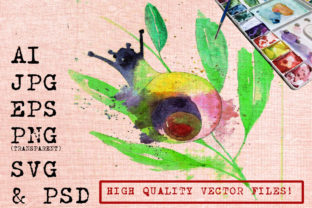
When you first open the preview for Rainbow Snail Watercolor, the immediate feeling is whimsical softness. Unlike rigid geometric patterns or high-contrast logos, this design relies on the fluidity of watercolor aesthetics. For an embroidery project, this presents a specific challenge and opportunity. The "watercolor" look usually implies gradients and bleeding colors, which can be difficult to replicate with standard fill stitch. However, if the digitizer has used clever layering and varied stitch density, the result can mimic that painted texture beautifully.
The snail itself is a charming subject, perfect for nursery decor, children's apparel, or even a playful touch on adult accessories. The rainbow palette suggests vibrancy without being overwhelming, provided the thread colors are chosen correctly. In my experience, designs like this work best when they maintain their character even when scaled down. The layout feels balanced, making it suitable for centered placement on a tote bag or offset on a sweatshirt sleeve. It has the kind of visual personality that stops a customer scrolling through an Etsy shop, promising a handmade product with heart.
Real-World Application: From File to Finished Product
Let’s imagine a specific scenario: You are preparing a line of custom embroidered tote bags for a local craft fair. These aren't just plain canvas sacks; they need to feel boutique-quality. I visualize placing the Rainbow Snail Watercolor on a natural cotton tote. The organic shape of the snail contrasts nicely with the straight weave of the fabric. Because the design is illustrative, it avoids the stiffness often found in corporate logos. Customers looking for a personalized gift would likely appreciate the artistic flair.
Now, consider a different use case: baby embroidery. A onesie or a small pillow cover could feature this design prominently. The soft edges implied by the watercolor style align perfectly with the gentle aesthetic parents seek for nursery items. If you are a small shop owner creating holiday embroidery gifts, this design fits seamlessly into spring or summer collections, or even as a cheerful accent on winter items like beanies. The key here is versatility. Whether it is a sweatshirt embroidery project for a streetwear brand or a delicate embroidered patch for a denim jacket, the Rainbow Snail Watercolor adapts well, provided the execution is sound.
Navigating Technical Challenges and Fabric Choices
While the concept is delightful, practical application requires caution. As with any intricate illustration, you must test the design on scrap fabric before committing to expensive materials. Watercolor effects often rely on fine details that can get lost on textured fabrics. If you attempt this on a heavy fleece or a thick wool blend, the subtle color transitions might blur together, losing the intended effect. Similarly, on very thin or stretchy fabric, the tension required for complex fill areas could cause puckering, ruining the smooth look of the snail.
Dark fabric backgrounds present another hurdle. A rainbow design typically uses lighter, pastel, or bright tones. Placing these on black or navy fabric without proper backing or a dense satin stitch border can make the colors appear muddy. I always recommend comparing light and dark fabric backgrounds during your mockup phase. Additionally, curved surfaces like caps require careful consideration. The rounded shell of the snail might distort if the hoop size is too small or if the stabilizer isn't robust enough to handle the curve. Always confirm your hoop size matches the design dimensions to prevent stretching or clipping of the artwork.
Critical Design Checks for Professional Results
- Stitch Density: Inspect the file to ensure the density isn't too high, which can stiffen the fabric, or too low, which leaves gaps in the watercolor gradient.
- Thread Colors: Verify that the thread palette matches the vibrant yet soft tone of the original illustration. Mismatched threads can kill the watercolor illusion.
- Stabilizer Selection: Use a cutaway stabilizer for stretchy knits and a tear-away for wovens to ensure the finished product lays flat.
- Detail Inspection: Zoom in on the smallest parts of the snail, such as the antennae or shell ridges, to ensure they won't break during stitching.
Impact on Brand Value and Customer Trust
For the Etsy seller or creative entrepreneur, the quality of your digital embroidery file directly impacts your brand reputation. A poorly executed Rainbow Snail Watercolor project—where stitches are loose or colors clash—can lead to returns and negative reviews. Conversely, a flawlessly stitched version elevates the perceived value of your handmade product. It signals professionalism and attention to detail. When customers see a high-quality custom apparel item with such a distinct design, they are more likely to trust your shop for future purchases.
This design also enhances giftability. People love buying items that look unique and artistic rather than mass-produced. By incorporating Rainbow Snail Watercolor into your inventory, you offer something that feels special. It works well for personalized gifts where the recipient appreciates art and nature themes. Furthermore, using this design consistently across various products—from kitchen towels to aprons—helps build brand consistency. Your customers begin to recognize your style, associating the whimsical snail with your specific craft business identity.
Practical Advice for Designers and Makers
Before you list this item or start production, run a few tests. Create a black and white mockup to check the contrast and silhouette. Does the snail still look like a snail without the color? If yes, you have a strong base. Then, stitch a sample on the exact fabric you plan to sell. Check the back of the embroidery to ensure there is no excessive thread waste or tangles. Remember, the front looks great, but the back tells the true story of the digitizing quality.
Also, do not forget to review the licensing terms. Are you allowed to sell the finished product? Can you use it for commercial embroidery projects? Some designers allow unlimited sales, while others restrict usage to personal gifts only. Clarifying this upfront protects your business from legal issues. Finally, consider how this design fits into your broader portfolio. Does it complement your other assets, or does it stand alone? The Rainbow Snail Watercolor is a versatile piece that can anchor a collection or serve as a standout single-item feature.
Final Verdict on Rainbow Snail Watercolor
In conclusion, the Rainbow Snail Watercolor is a strong contender for designers looking to add artistic flair to their embroidery project lineup. Its success depends heavily on proper execution, fabric choice, and testing. It is not a "set it and forget it" design; it demands respect for the medium of thread. However, when done right, it transforms a simple garment or accessory into a piece of wearable art. For small shop owners, hobbyists, and professional decorators alike, this illustration offers a fresh, engaging option that resonates with modern buyers seeking unique, handcrafted goods. Just remember to check your stabilizer, test your colors, and let the thread do the talking.