Marblehead Squash Illustrations Review
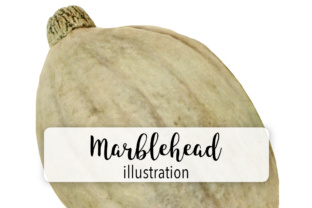
As a digital product creator who has spent years navigating the competitive landscapes of Etsy, Creative Fabrica, and print-on-demand platforms, I approach every new graphic design asset with a critical eye. My goal is never just to find something pretty; it is to find a commercial design that converts browsers into buyers. Recently, I acquired Marblehead Squash, a set of illustrations intended for online selling and creative entrepreneurship. Before integrating this asset into my seasonal collection, I needed to determine if it held up under the scrutiny of a real-world business scenario. This review details my process of testing Marblehead Squash across various product types, from SVG designs to social media graphics, to see if it truly delivers value for small business branding.
First Impressions: Mood and Market Appeal
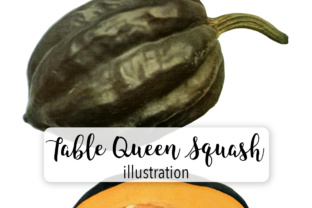
Upon opening the files for Marblehead Squash, the immediate visual personality was clear. The illustrations possess a distinct character that leans towards rustic charm with a modern twist. In the world of digital downloads, first impressions dictate click-through rates. For an Etsy product or a Shopify listing, the thumbnail image must communicate quality instantly. Marblehead Squash offers a balance of detail and clarity that suggests a premium feel without appearing overly complex. The mood evoked is one of autumnal warmth and harvest abundance, making it immediately suitable for fall collections, Thanksgiving promotions, or cozy home decor themes.
The niche appeal here is significant. While generic pumpkin or squash clipart is saturated in the creative marketplace, Marblehead Squash differentiates itself through its specific texture and color palette. It feels less like a flat vector and more like a hand-drawn element ready for sublimation design or printable wall art. This level of detail attracts buyers looking for unique, handmade business aesthetics rather than mass-produced stock imagery. Whether you are a Canva template seller or a Cricut user, the visual hierarchy of these illustrations ensures they stand out against both white and dark backgrounds.
Testing Across Product Categories
To validate the commercial viability of Marblehead Squash, I tested the asset across a wide range of digital products. The versatility of these illustrations is their strongest selling point. I began by creating a series of t-shirt designs. The clean lines of the SVG design allowed for crisp printing on fabric, while the PNG design versions worked seamlessly for mockup previews. The intricate details held up well even when scaled down for mug designs, proving that the resolution was sufficient for high-quality merchandise.
Next, I explored the potential for planner stickers and greeting cards. As a sticker design, the shapes were distinct enough to be cut easily, yet detailed enough to look professional when applied to a journal page. For greeting cards, the illustrations provided a perfect focal point for handwritten font pairings. I also integrated Marblehead Squash into a Canva template for social media graphics. The images served as excellent decorative elements that added depth to promotional visuals without overwhelming the text. This flexibility makes it an ideal addition to any design bundle aimed at content creators and bloggers.
For those focused on physical crafting, the asset performed admirably as a Cricut project. The paths were clean, ensuring that cutting machines could trace the outlines accurately. However, the true test came when I used it for packaging design. On a simple kraft paper box, the illustration elevated the perceived value of the product inside, demonstrating how a single graphic design asset can enhance brand identity and customer trust.
Optimizing for Product Presentation
In the digital economy, presentation is everything. A great design means nothing if it does not sell well in a product mockup. When preparing listings for a creative marketplace, I found that Marblehead Squash excelled in large product previews. The rich colors and textures translated beautifully into lifestyle photos, making the items appear tangible and desirable. For example, placing the illustration on a tote bag print created a strong visual story that resonated with the target audience of eco-conscious shoppers.
The asset also proved effective for building themed bundles. By pairing Marblehead Squash with complementary serif fonts and display fonts, I was able to create cohesive seasonal collections. This consistency is crucial for small business owners trying to establish a recognizable style. Furthermore, using these illustrations in listing images helped improve click-through potential. The visual storytelling inherent in the design made the listings pop in search results, distinguishing them from competitors using generic clipart.
Strategic Limitations and Best Practices
While Marblehead Squash is a robust tool, there are scenarios where it should be used carefully. One area of caution involves tiny sticker details. If scaling the design down too much for miniature labels, some of the finer textures may become indistinct. Additionally, for projects requiring extremely clean cutting lines, such as intricate vinyl decals, the textured nature of the illustration might require simplification in the vector software.
I also advise against using these assets in overly complex layouts. Because the illustrations have a strong presence, crowding them with too many other elements can lead to a cluttered appearance. Similarly, on dark backgrounds, certain color variations within the design might lose contrast, so always verify PNG transparency and adjust hues accordingly. Text-heavy templates also pose a risk; ensure that the illustration supports the message rather than competing with it. Always confirm file resolution before committing to large-format prints to avoid pixelation issues.
Practical Seller Notes for Implementation
Before publishing your final listing, follow these practical steps to maximize the potential of Marblehead Squash. First, test the design on real mockups to see how it looks in context. Preview it as a marketplace thumbnail to ensure it remains legible at small sizes. Check the appearance on both white and dark backgrounds to understand its versatility. If you plan to offer printables, test print colors to ensure accuracy between screen and paper.
Verify PNG transparency to ensure seamless integration into layered designs. Inspect SVG cut quality if you are targeting the Cricut or Silhouette community. Confirm file resolution is high enough for all intended uses. Organize your files clearly for customers, perhaps grouping them by format or color variation. Pair the illustrations with appropriate typography, such as a script font for elegance or a sans serif font for a modern look. Finally, always confirm the commercial licensing terms before selling finished products. Understanding what you can and cannot do with the asset is essential for protecting your business and maintaining integrity in the creative marketplace.
Ultimately, Marblehead Squash represents a solid investment for digital product creators. It offers the versatility needed for print-on-demand, the aesthetic quality required for high-end digital downloads, and the reliability expected by serious sellers. By understanding its strengths and limitations, you can leverage this graphic design asset to build a professional, profitable, and visually stunning online shop.