Leatherback Sea Turtle Illustrations Review
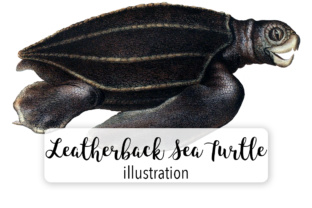
I recently pulled the Leatherback Sea Turtle illustration from my library while brainstorming a rebrand for a small, family-owned coastal soap company. As an experienced brand designer, I know that finding the right graphic design asset can make or break a project, especially when working with local businesses trying to stand out on crowded shelves. My goal was to find something that felt organic and trustworthy without looking like generic stock clipart. The moment I saw this specific rendering of the Leatherback Sea Turtle, I knew it had potential for serious small business branding.
First Impressions: Mood and Brand Personality
The initial reaction to the Leatherback Sea Turtle is one of calm authority and natural elegance. Unlike some illustrations that feel cartoonish or overly decorative, this piece carries a weight of authenticity. It suggests a brand personality that is grounded, eco-conscious, and deeply connected to nature. For a handmade soap business or a boutique skincare line, this mood is perfect. It feels premium yet accessible, striking a balance between rustic charm and modern design sensibilities.
This illustration does not scream "festive" or "playful." Instead, it whispers "organic," "sustainable," and "timeless." If you are a creative entrepreneur looking to build a brand identity around conservation, wellness, or natural ingredients, this asset provides a strong visual anchor. It immediately elevates the perceived value of the product, moving it away from the mass-market look toward a more artisanal, curated aesthetic.
Real-World Applications in Local Business Design
In my current project, I am exploring how the Leatherback Sea Turtle can function across various touchpoints of the customer journey. For packaging design, the illustration works beautifully as a central hero graphic on the back label of a bar of soap. It allows the brand story to shine through without overwhelming the necessary legal text. I also envision using it as a subtle watermark on thank-you cards included in shipping boxes, adding a layer of polish to the unboxing experience.
Beyond physical products, this Illustrations asset is versatile enough for digital marketing. Imagine a social media campaign for a local coffee shop launching a summer sustainability initiative. Using the turtle as a focal point in social media graphics or website banners creates an immediate emotional connection with customers who care about ocean health. It serves as a powerful symbol for their mission statement.
For logo design purposes, the clean lines of the turtle could be simplified into an icon for a mobile app or a favicon. However, its true strength lies in editorial design and promotional materials. Think of flyers for a community beach cleanup event or posters for a boutique store window display. The image commands attention and communicates the brand's values instantly.
Enhancing Professional Branding and Shelf Appeal
One of the biggest challenges for local business owners is competing with big-box retailers. A well-chosen graphic design asset like the Leatherback Sea Turtle helps bridge that gap. It contributes to a stronger first impression by signaling quality before the customer even reads the copy. When placed on a product label, it improves visual hierarchy, guiding the eye naturally from the brand name to the product benefits.
Consistency is key in professional branding. By using this illustration across hang tags, stickers, and packaging accents, a handmade business creates a cohesive visual language. This consistency builds customer trust; when people see the same high-quality imagery everywhere, they begin to associate that reliability with the brand itself. Furthermore, the unique character of the turtle adds distinct shelf appeal, helping the product pop against competitors who might rely on generic waves or sun icons.
Strategic Placement and Design Context
To get the most out of this asset, it is crucial to understand where it shines brightest. The Leatherback Sea Turtle excels as a decorative brand element on printable inserts or as a large-scale feature on seasonal packaging. It works exceptionally well in product mockups used for investor pitches or crowdfunding campaigns, as it conveys a fully realized brand vision.
However, there are contexts where caution is required. This illustration should be used carefully in formal corporate branding or for luxury minimalist brands where less is often more. If your design relies heavily on ingredient lists or complex data tables, placing a detailed turtle illustration nearby might create visual clutter. Similarly, avoid using it on very small labels where the details may get lost, or on low-contrast backgrounds where the image fails to pop. In these scenarios, the decoration competes with important text, reducing readability and effectiveness.
Practical Notes for Brand Designers
Before finalizing any design, I always recommend testing the Leatherback Sea Turtle on real packaging mockups. How does it look on a matte finish versus a glossy one? Check the black and white usage to ensure it remains recognizable for single-color printing options. Preview it on small labels to verify legibility at reduced sizes.
Color matching is another critical step. Test the illustration with your specific brand palette to ensure harmony. Compare it with competitor packaging to confirm it offers a unique perspective. If you are planning print runs, review the file resolution and check PNG transparency or SVG editability. Ensure the vector paths are clean if you intend to modify the shape or color later.
Typography pairing matters immensely. Try placing the illustration beside serif fonts for a classic look, sans-serif for a modern feel, or script fonts for a softer, feminine touch. Finally, and most importantly, confirm the commercial license before using this digital product for client work or physical sales. Whether you are creating a Canva template for a workshop or designing a full brand identity, respecting licensing terms protects your business and ensures ethical use of design assets.
Ultimately, the Leatherback Sea Turtle is more than just a picture; it is a strategic tool for storytelling. When used correctly, it transforms simple packaging into a memorable brand experience, supporting marketing visuals that resonate with today's conscious consumers.